
Hope for Recovery: Travis County’s Sobering Center Aims to Shift Approach to Alcohol Dependency
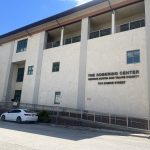
By Shelby Ligon October 9, 2026 The Sobering Center located on Sabine Street in Austin offers a supportive environment for individuals recovering from intoxication, allowing them to avoid traditional routes like jail or emergency rooms.
By Shelby Ligon
October 9, 2026
The Sobering Center located on Sabine Street in Austin offers a supportive environment for individuals recovering from intoxication, allowing them to avoid traditional routes like jail or emergency rooms. Opened in 2018, the facility has assisted over 16,000 individuals in need of support. Recently, the center expanded its program that permits certain patients to stay on-site while awaiting long-term treatment, having renovated its second floor for added amenities. Central Health has bolstered its support of the center, allocating $3 million in the fiscal year 2027 budget for ongoing operations.
Travis County Commissioner Brigid Shea called the Sobering Center an essential element of the county’s diversion initiatives. Laura Elmore LeBlanc, the CEO, refers to the center as a “bridge to recovery,” acknowledging the substantial gap between experiencing a crisis and accessing treatment. When she began her tenure in 2020, most patients were directed by police and EMS. To broaden outreach, LeBlanc collaborated with diverse community partners, building relationships with universities, libraries, treatment facilities, and sober living environments, ultimately partnering with over 100 resources. However, police and EMS still primarily refer individuals to the center.
To help ease apprehensions, signs in both English and Spanish greet patients with the message, “You are not in jail. We are here to help!” These de-escalation strategies are intended to alleviate anxiety. LeBlanc noted that some individuals mistakenly believe they are entering a facility related to arrests or enforcement actions rather than a supportive environment.
Upon arrival, a medic screens each patient, determining the necessary level of monitoring, as the center houses 20 beds for observation. LeBlanc reported that 75% of their patients are influenced by alcohol, and severe intoxication can lead to critical health complications. Consequently, some patients may require monitoring every 15 minutes. After sobriety is achieved, counselors evaluate whether the incident was an anomaly or indicative of a deeper issue, and they discuss further treatment options.
Originally designed as a temporary respite, the center’s operations have adapted following changes in patient needs. LeBlanc shared a narrative about a repeated client who faced numerous intoxication incidents and highlighted the inadequacies in the existing treatment options for individuals without significant resources. This led to the development of their “holdover program,” allowing patients to stay while seeking treatment. This initiative now aids approximately 250 to 300 individuals annually.
In August, the center began utilizing its newly renovated second floor, which includes a kitchen, showers, and 14 beds tailored for patients in stable health who are interested in receiving treatment. The new space features both shared and private accommodations to meet specific medical detox needs, with aspirations to obtain a license for detoxification services. Funding for this expansion came from both Travis County, which contributed $1 million, and Central Health, which will finance second-floor staffing, supplies, and care.
In the fiscal year 2025, the Sobering Center served 2,715 individuals, successfully diverting 702 from jail and preventing 1,385 emergency room visits. Their impact report revealed that 90% of those seeking treatment were successfully connected with vital resources. Mayor Pro Tem José “Chito” Vela, a board member, emphasized the center’s role in engaging individuals and guiding them toward solutions for their underlying challenges. Central Health’s fiscal year 2027 budget allocates $127.5 million for mental health and recovery services, of which $3.6 million is designated for the Sobering Center, including funds for current contracts and future operations related to a proposed Mental Health Crisis Center.
By establishing a system that prioritizes care for those experiencing crises, the Sobering Center aims to extend support beyond immediate safety, maintaining connections to necessary resources for ongoing recovery. This approach could foster continued expressions of gratitude from the community, as evidenced by the center’s collection of heartfelt notes from former patients.



Comments
No comments yet.