
Austin Faces Dilemmas Over UT Land Deal to Secure Muny Golf Course
A long-anticipated deal aimed at permanently preserving Austin's historic Lions Municipal Golf Course, known as Muny, poses significant questions regarding the city’s concessions for its acquisition.
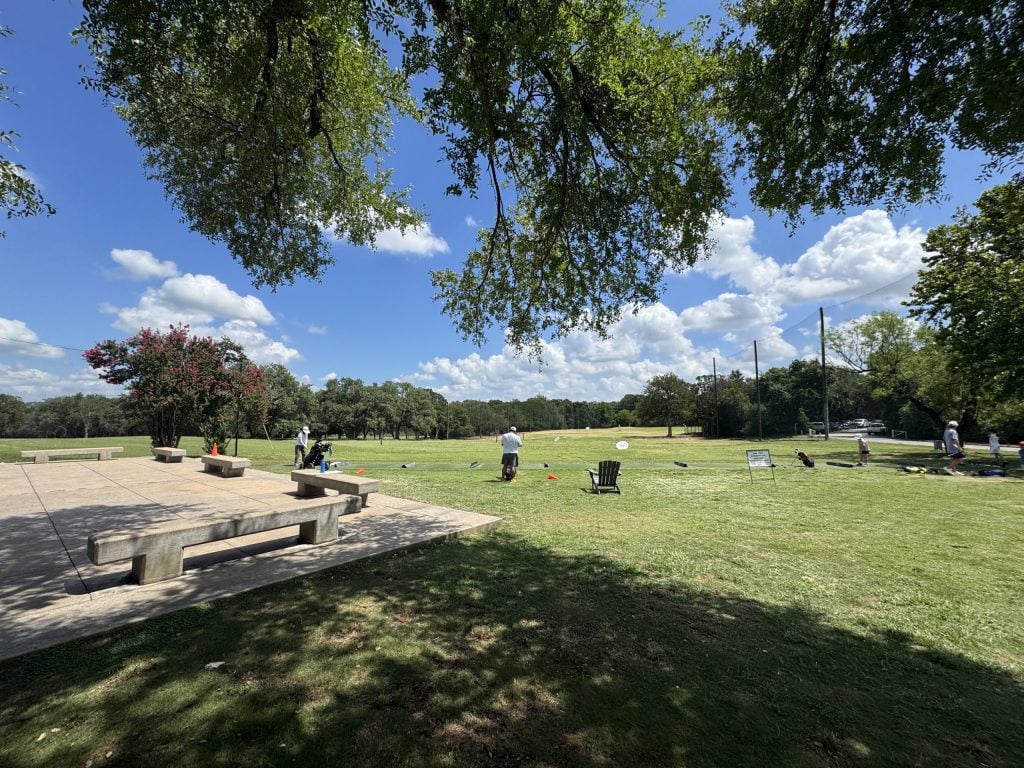
A long-anticipated deal aimed at permanently preserving Austin’s historic Lions Municipal Golf Course, known as Muny, poses significant questions regarding the city’s concessions for its acquisition.
During a presentation to the Environmental Commission on Wednesday, University of Texas scientists, environmental advocates, and local residents expressed their support for the city to take ownership of Muny. However, they cautioned that the agreement might progress too swiftly, potentially paving the way for development on 190 acres of University of Texas land along Lady Bird Lake, which could lead to detrimental environmental and financial impacts.
The City Council is set to review the proposed agreement on November 19, which could alter long-standing regulations regarding building heights, environmental standards, and development practices on UT’s property. If the council approves the deal, a plan will follow to govern future growth in that area.
Concerns have emerged about the implications such development may have on delicate ecosystems, traffic congestion, affordable housing, and the city’s fiscal health. Community members are apprehensive that the city’s desire to obtain a golf course, which it has sought to protect for decades, might result in terms more favorable to UT than to local residents.
“Let’s be frank here,” remarked Environmental Commissioner Haris Qureshi. “UT is rich as hell. The city is broke as hell.”
The push to save Muny comes with developmental compromises.
Brackenridge Field Lab scientists, a UT facility dedicated to ecological research, are concerned that changes to the development guidelines on the land could disrupt their operations.
“Modifications to development regulations on this land affect all Austin residents and should be approached with careful consideration,” stated Edward LeBrun from the field lab. “Once alterations are made to this land, they cannot be reversed, and haste is ill-advised.”
Supporters of Muny and local officials have struggled for years to safeguard the 141-acre golf course, notable for being the first in the South to desegregate. UT owns the land and leases it to the city on a monthly basis, which increases the risk of losing the course to future development.
In his newsletter dated October 14, Mayor Kirk Watson outlined a potential pathway to owning Muny, describing an impending agreement between UT and the city that would provide Muny with a permanent home.
If an agreement is reached, UT would transfer ownership of the land to the city. However, the city and university must also revise the 1989 Brackenridge Development Agreement that governs the usage of that land.
The new agreement could establish building height limits of up to 105 feet, impose a 75% impervious cover across the site, and require developments to remain at least 200 feet from Lady Bird Lake. It would also introduce heritage tree protections, as well as new water quality and drainage regulations. Additionally, the city would alter its ground lease with UT for 11 acres to facilitate student and faculty housing.
Future development, however, raises a financial dilemma for the city.
The existing Brackenridge agreement necessitates that the city covers costs for water and sanitation infrastructure on the UT land. To alleviate expenses, city officials are seeking to establish a Tax Increment Reinvestment Zone, a financing mechanism allowing the city to fund infrastructure through taxes on any non-university developments.
Watson did not respond to an Austin Current inquiry, but noted in a recent newsletter that “modernizing this agreement will ensure that land development accommodates housing and retail needs in the area while preserving commitments to affordable housing, along with establishing height limits, setbacks from the lake, and open space.”
Ken Tiemann, co-chair of the Save Historic Muny District, emphasized that his main focus is on preserving the golf course, expressing hope that any future development will harmonize with the surrounding area and offering confidence in UT’s plans for the remaining land.
Yet, concerns regarding environmental implications have surfaced against the backdrop of a tight deadline.
Some attendees at Wednesday’s Environmental Commission meeting voiced skepticism. Researchers from Brackenridge Field Lab, located on the land affected by the potential changes, expressed worries for their facility, which includes several greenhouses and a comprehensive laboratory spanning 18,000 sq. ft.
The site houses approximately 700 plant species, 1,200 types of moss butterflies, and 160 bird species, according to research scientist Liz Bowman.
Bowman stressed the substantial impact of losing the lab and its research endeavors.
Holly Reed, a board member of The Muny Conservancy and the West Austin Neighborhood Group, acknowledged the community’s dedication to preserving Muny yet noted that ongoing discussions in the neighborhood working group aim to address questions surrounding impacts on the “very environmentally sensitive” areas and Lady Bird Lake.
“We need more transparency from both the university and the city regarding how forthcoming development could affect traffic and ecological conditions,” she said.
The upcoming amendments to the Brackenridge agreement will be evaluated by both the UT Board of Regents and the City Council next month, with expectations for completion by spring 2027.
Assistant City Manager Eric Johnson mentioned that city staffers have yet to engage with the City Council about the proposed plan.
“Our approach will involve discussing the matter with council offices as the proposal becomes more defined,” he said.
Environmental Commissioners questioned city representatives about the accelerated timeline.
Trish Link from the city’s law department explained that the objective is to finalize the amended Brackenridge agreement by year’s end.
“I comprehend why UT would want to expedite the process, but I’m curious about the city’s motivations in agreeing to this pace,” inquired commission chair Mariana Krueger.
Link responded, stating the urgency stems from their concern over Muny and the inability to purchase it outright.
“We’re trading what we already possess instead of negotiating a price we can’t afford in cash.”



Comments
No comments yet.