
Addressing Track Limits: F1’s Growing Challenge
This week, two developments left a notable impression on me.
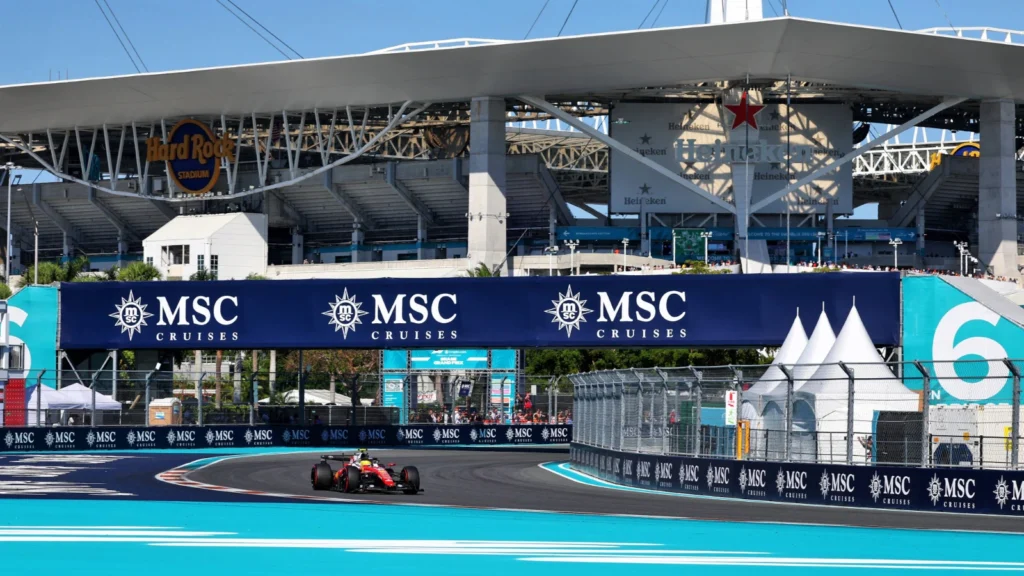
This week, two developments left a notable impression on me. The first was discouraging news, while the second was a startling statistic revealed at the Formula 1 United States Grand Prix: more than 200 track limits violations occurred in a single Friday session.
Sky Sports described the situation as “brewing,” which I found quite astonishing considering the frequency of these incidents; it reminded me more of a horror film than a motorsport event.
Aside from Max Verstappen having his second Q3 lap invalidated for exceeding track limits, qualifying proceeded with relatively few issues, yet the looming possibility of grid penalties underscores a significant shift from the traditional racing approach of cornering. Drivers are now penalized if all four wheels leave the track, with the FIA Driving Guidelines explicitly stating that a driver is considered to have exited the track if no part of the car remains in contact, with white lines marking the track’s edge.
Historically, tracks like Silverstone or Spa would present barriers as consequences for running wide, but modern circuits have developed a more lenient approach. Despite gravel being reinstated at various corners, violations like those seen at the Red Bull Ring are all too common.
Some tracks, such as Abu Dhabi, resemble large parking lots, offering drivers ample run-off area, which lessens the penalties associated with errors. This invites risk-taking that often leads to excessive racing over the track limits without meaningful repercussions.
Versions of this penalty structure were notably absent in the early 2000s, allowing drivers to take risks, such as Michael Schumacher and Fernando Alonso, who could push their cars to their limits without facing immediate penalties for using water-logged kerbs or going off track altogether.
The debate on track limits intensified around 2016, leading to a crackdown that many fans now recognize. However, the issue remains complicated by excessive run-offs designed by circuit planners that tempt drivers into taking chances.
In essence, while safety measures have certainly improved, the balance has swung too far, often diluting the quality of racing. A possible solution could lie in reintroducing grass and gravel, as seen at traditional circuits like Melbourne and Silverstone, where running wide incurs real risks.
The successful application of gravel traps at some venues suggests a path forward. Although today’s heavier cars might prevent a true return to early 2000s racing, a thoughtful integration of natural elements could enhance both challenge and enjoyment of the sport.



Comments
No comments yet.