
Austin Aims to Support Local Businesses and Preserve Its Character
As Austin's thriving commercial districts struggle with rising rents, local shops and eateries are increasingly at risk of being forced out.
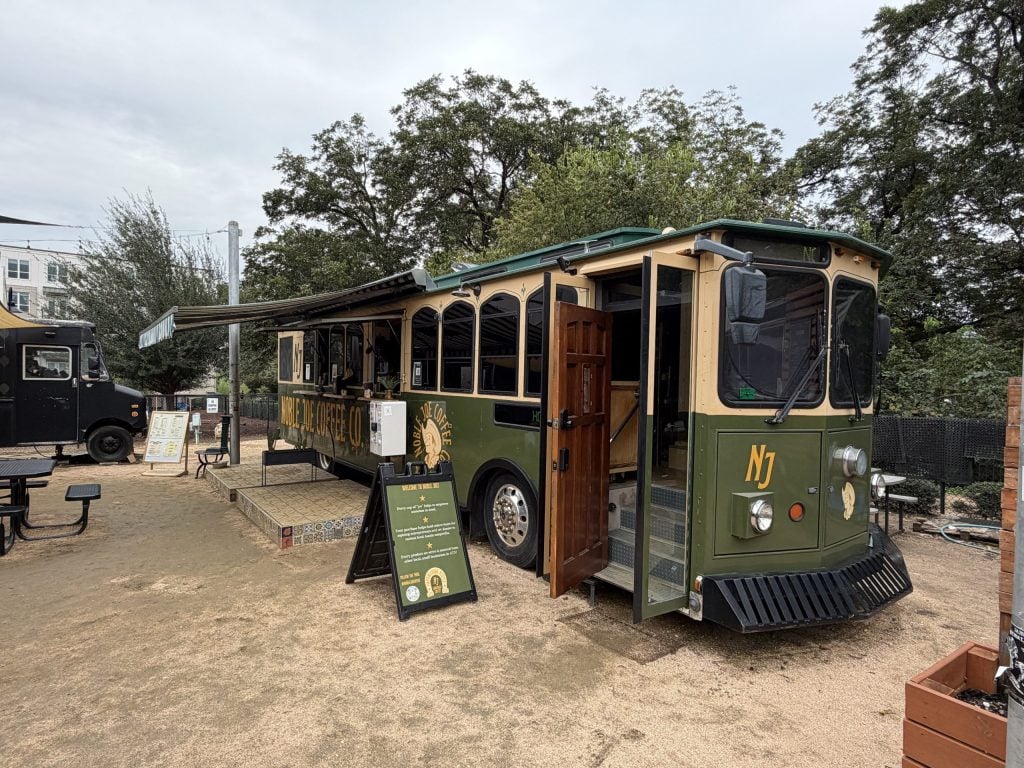
As Austin’s thriving commercial districts struggle with rising rents, local shops and eateries are increasingly at risk of being forced out. In response, city officials are exploring strategies to prevent these businesses from vanishing amid competition from national chains.
Last week, the Austin City Council passed a resolution instructing the city manager to create a rental assistance program aimed at supporting local businesses situated in busy commercial areas, such as South Congress Avenue, downtown, and nearby the University of Texas at Austin. This initiative is in response to national and international brands that have the ability to outbid smaller enterprises.
Council Member Krista Laine emphasized the importance of fostering small businesses: “We’re putting a focus on small businesses that are growing and ensuring that, when we have these amazing new businesses, the tools are in place to help them stay afloat. We don’t want a city where the highest traffic parts become what you could find in any city. We want Austin to continue to have a heart and soul that is unique to us.”
Initially, the plan will operate on a limited basis, assisting just one business initially, with potential for expansion depending on funding availability. However, some council members express reservations about the proposal’s lack of detailed information, including its projected costs amid the city’s financial constraints and the absence of proven models from other cities.
Council Member Marc Duchen, who opposed the resolution, articulated his concerns, stating, “I support small local businesses, but we have to be incredibly intentional about these sorts of initiatives that we fund. I really wish we had seen more research and a far more fleshed-out proposal that gave us real insight into what we could expect.”
The proposed program aims to prioritize businesses that enhance Austin’s cultural landscape, assessing eligibility based on various factors, such as visitor attraction potential and service uniqueness, alongside their future financial viability post-assistance.
Duchen raised questions about the selection process for assistance, asserting, “we are picking the winners and losers. It’s even more pronounced than that because the losers are going to be subsidizing the winners through their programs via property taxes and fees. I’m uncomfortable about the city being the arbiter of those kinds of business outcomes.”
The identity of the first recipient of the assistance is yet to be determined. Laine noted that this business will serve as a “proof of concept,” enabling the city to assess the program’s effectiveness before broadening its scope. The effort aims not only to sustain struggling businesses but also to enable successful ones to establish themselves in high-rent areas. Laine expressed hopes that the support would provide a vital “bridge” for these businesses.
Citing the metamorphosis of commercial areas near the University of Texas at Austin, Laine lamented the prevalence of generic establishments, recalling that in 2000, the Drag was filled with local businesses. Financial pressures have led to a sterile, uniform environment.
This initiative aligns with other city efforts, like the Place-Based Enhancement Program, which grants tax incentives to commercial property owners who create affordable spaces for community-serving local businesses and organizations.
Local entrepreneur Dane Kenney, of Noble Joe Coffee, has successfully expanded his coffee business since launching his first truck at the South Shore Eatery food truck park in 2021. Despite this growth, he finds that establishing a café in some of Austin’s prime neighborhoods remains prohibitively expensive. “Those areas are unattainable, unfortunately,” he noted.
While Kenney acknowledges the value of corporate franchises in popular locations, he advocates for providing homegrown businesses with a better opportunity to secure spaces. “What makes Austin so unique is all the different small businesses and the kind of cultural value that they bring to the city. They just have a little more soul.”



Comments
No comments yet.