
2026 Election: Public Voting Data May Lead to Election Reform Discussions
For voters who have recently cast their ballots, the flood of campaign-related phone calls and messages has subsided thanks to a state law aimed at preventing electoral fraud.
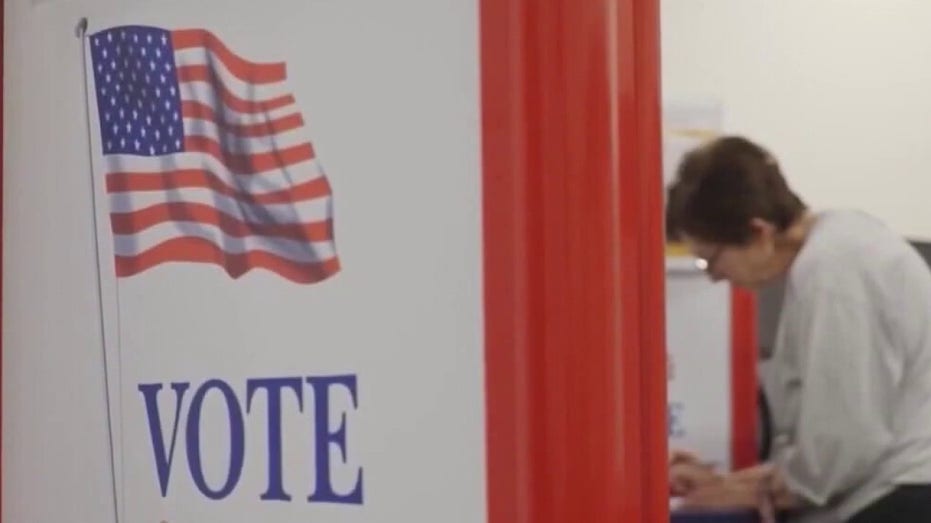
For voters who have recently cast their ballots, the flood of campaign-related phone calls and messages has subsided thanks to a state law aimed at preventing electoral fraud. However, advancements in technology are transforming public voting data into a tool for predicting voter behavior. While the specifics of how individuals voted remain confidential, the general information about whether they voted is public. In Texas, law mandates that early voting rosters be updated and available online by 11 a.m. the next day, and this data has been posted for several years by both the Texas Secretary of State and various county clerks. Chris McGinn, executive director of the Texas Association of County Election Officials, explained to FOX 7 how to access this data: Choose ‘2026 November General Election,’ find ‘Unofficial Early Voting Turnout by Date,’ select a specific date to view early voting totals by county, and download a file to see details like voter ID numbers and voting methods.
McGinn assured that while public voter data could not alter actual vote totals, it has significant implications for political strategies, especially for outreach efforts as noted during the Battleground Texas show. The transformation in data processing means campaign teams now utilize advanced programming instead of manual methods to identify potential supporters. Brian Smith from St. Edwards University remarked, ‘I don’t think there’s anything sketchy about it,’ emphasizing the efficiency of today’s data systems which facilitate targeted communication to likely voters. Despite the secrecy of individual voting choices, there are concerns that the data can be used manipulatively, leading to an advertisement-like approach in political messaging. McGinn expressed concern regarding the potentially disturbing influence of prediction markets on societal behaviors, be it in politics or otherwise.
Unlike property taxes, which homeowners can opt out of having public information shared, there’s no option to keep voter information private. As Smith pointed out, all data remains estimates until official voting results are finalized. Looking ahead, the potential implications of how voter information is utilized could fuel election reform discussions. As Texas lawmakers reconvene in January, the access to voter data will likely be scrutinized, particularly regarding calls for closed primary elections, as McGinn noted that conversations about data predictions will be tied to party loyalty discussions.



Comments
No comments yet.