
Austin City Council Borrows $566M Without Voter Consent, Revives Some Canceled Projects
The Austin City Council has approved $566 million in borrowing through certificates of obligation since 2024, a significant increase attributed primarily to real estate initiatives.
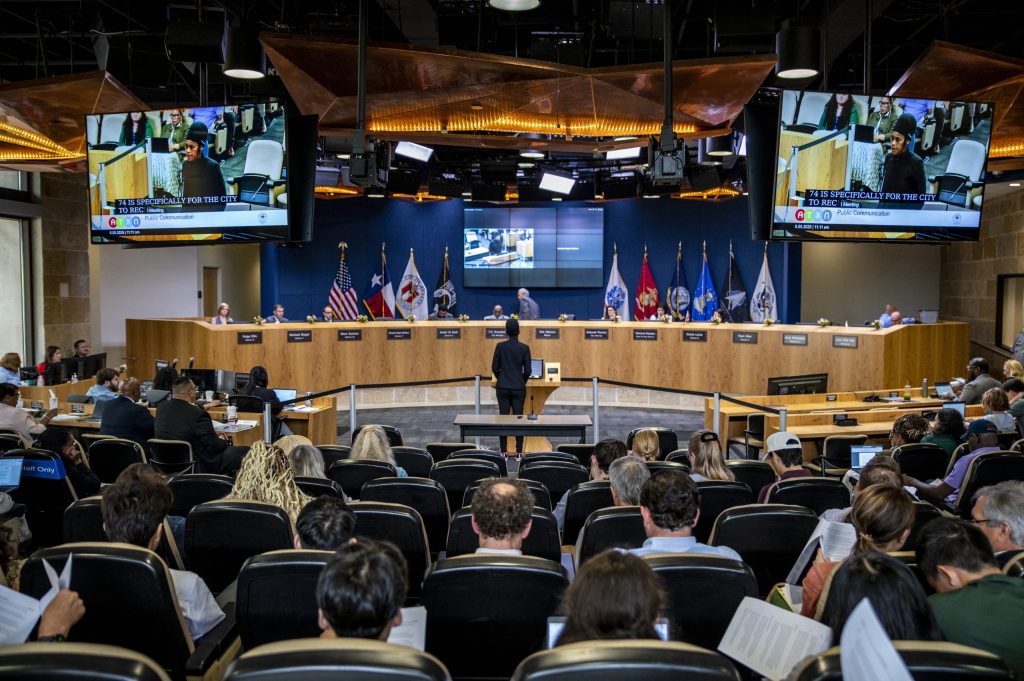
The Austin City Council has approved $566 million in borrowing through certificates of obligation since 2024, a significant increase attributed primarily to real estate initiatives. This borrowing, which comprises over 60% of the $883 million issued by the city in the last decade, is aimed at acquiring or renovating buildings to minimize the rising costs linked to deteriorating, city-owned property and decrease dependence on leased spaces.
Despite council members advocating for the efficiency of such financial decisions, these bonds, which bypass voter approval, carry costs to taxpayers through property tax repayments and considerable interest expenses, with each $100 million of funding elevating the average tax bill by $14. Critics argue that this surge in borrowing indicates fiscal irresponsibility, particularly amid caps on property taxes, a decline in new construction activity, and rising voter disquiet over tax increases. Furthermore, there are concerns about the frequency and transparency of using these financial instruments.
Council Member Chito Vela expressed the need for quick action in securing property deals, stating that opportunities may be lost while waiting for voter-approved solutions. Legislative proposals may arise to restrict the application of these bonds, as suggested by John Bonura of the Texas Public Policy Foundation, which is planning to advocate for tighter controls on local government borrowing.
Conversely, Adam Haynes, policy director for the Texas Conference of Urban Counties, defends the use of certificates of obligation, emphasizing that avenues for public vetting remain available through notices in local newspapers and public meeting approvals.
Voters in Austin will consider a $295 million parks and library bond next month, a culmination of a public process involving community engagement and council debates, following the council’s retreat from a larger bond package after Proposition Q’s failure. Although some projects were excluded, the council later opted to resurrect certain initiatives, including $33 million for sidewalks and traffic programs funded via certificates of obligation.
City policy allows issuance of non-voter-approved debt for urgent, significant requirements, with the city’s spokesperson noting that both certificates of obligation and voter-approved bonds are forms of debt paid back through property taxes, defining the distinction in authorization. As of September 30, Austin’s general obligation bond debt totaled $2 billion, with $628 million attributed to certificates of obligation.
Bonura criticizes the use of these certificates as a means to circumvent public approval, while Haynes asserts that voters often reject funding for certain services. The history of past bond proposals, including a failed Travis County bond for a courthouse, illustrates the challenges of gaining public support.
In recent years, the Austin City Council has markedly increased its reliance on certificates of obligation, approving $566 million in the last three years alone. Council Member Mike Siegel argues that these real estate purchases ultimately save taxpayers money by preventing excess lease payments and by potentially allowing the city to sell underutilized properties for further revenue.
The council is also pushing for a more strategic bond cycle with a newly passed resolution promoting a six-year cycle, aimed at refining the approach to city financing and planning. Despite financial pressures, Vela emphasizes that the city’s top bond rating reflects Wall Street’s confidence in Austin’s financial management and ability to service its debts.



Comments
No comments yet.