
City Council Seeks Comprehensive Data on Social Service Spending After $4 Million Vote
During today's City Council meeting, members will evaluate a proposal aimed at directing City Manager T.C.
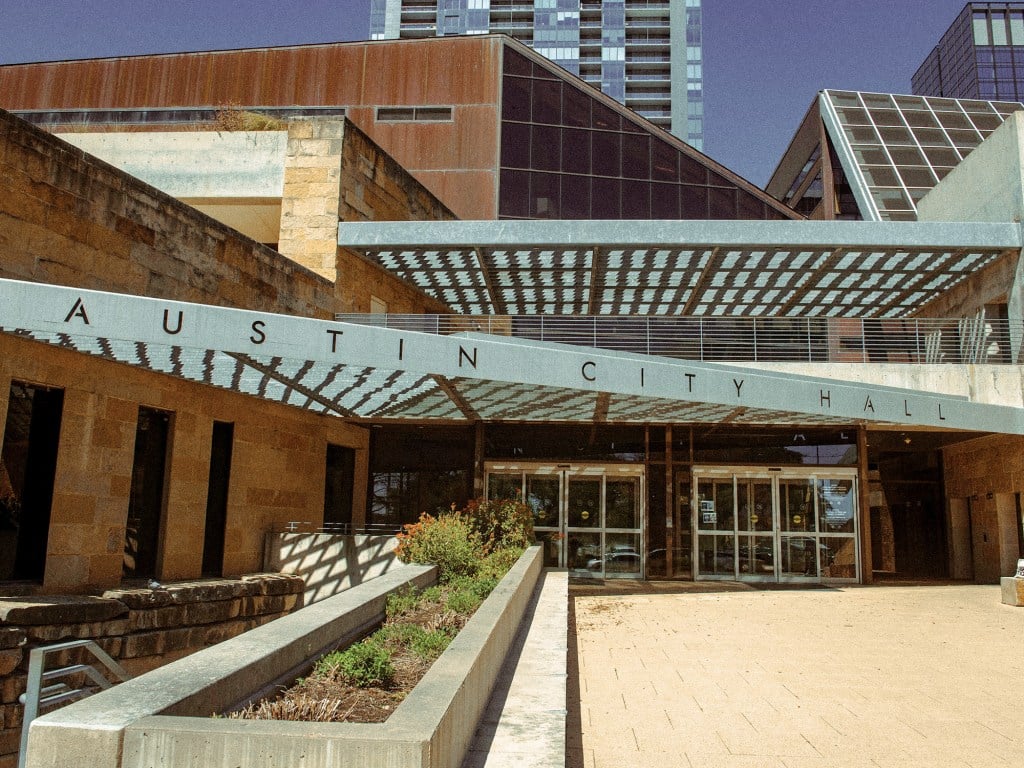
During today’s City Council meeting, members will evaluate a proposal aimed at directing City Manager T.C. Broadnax to incorporate geographical data in future social service reports, enhancing understanding of which residents benefit from these services.
This proposal comes after the Council approved a $4 million decision on September 24 without complete information from city staff that could have influenced their vote. The decision involved extending 14 contracts with local nonprofits totaling approximately $4.1 million, despite compliance issues reported for five of those organizations and one failing to meet performance standards.
The primary concern from the dais is not the compliance issues themselves but the fact that some Council members lacked knowledge of these issues before voting. City records obtained by the Statesman indicate that a relevant memo was provided to the Council only nine minutes post-vote.
This memo was based on an evaluation of the organizations that had been reviewed in July. Subsequently, the city’s framework for assessing and funding social services is under increased scrutiny.
Council Member Marc Duchen expressed significant concern regarding the $101 million allocated for social services this fiscal year in the context of budget deficits. He characterized the memo’s delayed arrival as an administrative oversight rather than an intentional attempt to push through contracts lacking compliance.
“I perceive this as a misunderstanding regarding the urgency of certain inquiries, which resulted in the information being shared too late,” Duchen remarked. “We must prevent any recurrence of this situation in future votes.”
Angel Flores from the city’s media relations stated, “City staff strive to provide accurate information to council members as soon as possible.”
In a February Public Health Committee meeting, a presentation proposed a comprehensive revision of Austin’s social services framework, revealing that the city presently allocates 85% of its General Fund to social services, a substantial increase compared to similar cities. Notably, Austin is facing cuts without significant external funding support.
For comparison, Portland, dealing with more significant challenges related to homelessness, utilizes both county dollars and grants for social services, totaling $276.4 million, of which only $40.6 million comes from the General Fund, according to data from the February presentation. Meanwhile, Houston’s social services rely heavily on grants, with only $2.5 million sourced from its General Fund.
Duchen commented further on Houston’s approach, remarking, “They’ve successfully established a broader philanthropic support network.”
Flores added that the city is “currently evaluating a broader strategic reset of the social services portfolio,” with findings expected in December, which will guide city decisions for fiscal year 2028. This evaluation will cover prioritization of issues, service offerings, funding levels, and contract structures, as well as performance frameworks and timing for solicitations for FY28.



Comments
No comments yet.