
Many AI Data Centers Likely Won’t Materialize Due to Overreaching Ambitions
Kevin O'Leary recently faced skepticism regarding his lack of experience in data center development, with Bernstein analysts referring to him and others in the industry as 'bragawatts.' Many of the announced projects
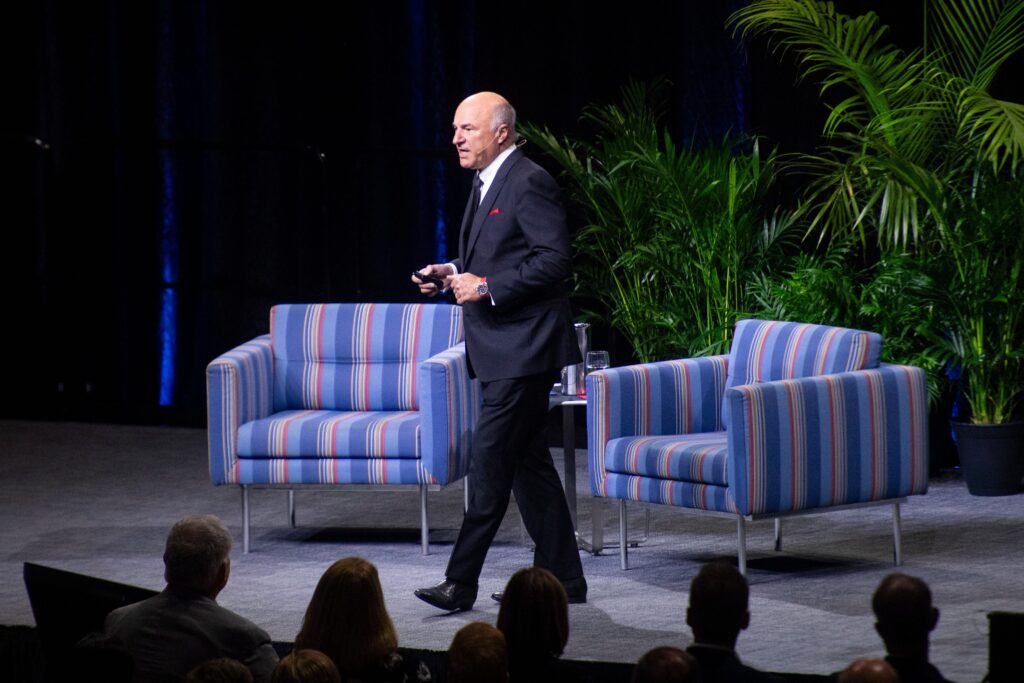
Kevin O’Leary recently faced skepticism regarding his lack of experience in data center development, with Bernstein analysts referring to him and others in the industry as ‘bragawatts.’ Many of the announced projects aimed at supporting the AI boom may not come to fruition, as they have revealed a disconnect between ambitious plans and realistic outcomes. Bernstein Research reviewed thousands of planned data centers in the U.S. and determined that only about 35% of the announced capacity is likely to be constructed. This translates to approximately 170 gigawatts out of a total of nearly 500 gigawatts announced.
A substantial portion of the unreliability is attributed to what Bernstein refers to as ‘bragawatts,’ which are substantial yet unlikely announcements from newcomers who lack the necessary development experience. As stated by Bernstein, ‘Press releases are cheap…concrete is not.’
The firm’s analysis began with over 7,000 projects tracked via satellite and permit records, resulting in a focused look at over 5,000 projects, after excluding those already canceled. They evaluated the viability of remaining projects based on whether construction had started, availability of electricity, and the companies’ prior success in data center development.
The analysis revealed a stark differentiation in credibility among developers. Major companies like Amazon, Google, Microsoft, and Meta received top scores for their solid development records. In contrast, O’Leary Digital received a low credibility score of 0.35 out of 5, with Bernstein estimating that only 489 megawatts, or roughly 3%, of its proposed 15 gigawatts would actually become reality.
O’Leary Digital contested Bernstein’s findings, asserting that the report did not consider essential preliminary work preceding construction. Despite being a young player, CEO Paul Palandjian emphasized their team’s extensive experience in major infrastructure projects and outlined the steps they’ve taken towards actual project development.
Other companies identified in Bernstein’s low scorer list include Vermaland and Joule Capital Partners. Joule, which has announced a total capacity of 11.7 gigawatts, might only see about 11% of that come to fruition, as much of its potential development shows little progress. Vermaland’s extensive project plans have also faced hurdles, with Bernstein estimating only 4% likelihood of their proposals actually being built.
Sergio Toro, CEO of Aterio, noted a pattern wherein approximately 30 to 40 gigawatts of new data center capacity are announced monthly, but only around 7 gigawatts commence construction, with 2 to 3 gigawatts becoming operational.
Bernstein’s analysts pointed out that established tech leaders typically apply for more capacity than they genuinely require as a buffer against operational setbacks. Even respected companies such as Amazon encounter challenges in meeting supply demands for substantial projects.
In Texas, developers have solicited electrical connections totaling around 450 gigawatts, far surpassing the grid’s 85-gigawatts capacity. Many requests are placeholders without confirmed projects, leading to speculation about their seriousness. This has prompted Texas to pause applications to filter out unserious developments.
Ultimately, while concerns about the viability of many AI infrastructure projects abound, Aterio tracks substantial developments that are actively under construction, suggesting that nearly 80% of the projects from the leading technology firms are credible.


Comments
No comments yet.